24 May 2026
Share:
There's a moment in most renovation conversations where the room goes quiet.
We're seeing more of those conversations at Elements. They're not rare, and the numbers back it up. Between July 2019 and June 2025, Victoria approved 70,570 dwellings in knockdown rebuild projects, second only to New South Wales. More of those enquiries now come from clients who want something design-led, not a slightly better version of the house they already have.
Here's the distinction worth sitting with. A renovation sharpens what someone else once decided. A knockdown rebuild lets the design lead, from the block up.
Where renovation runs out of runway
Older homes carry their era in their bones. A 1970s brick veneer was built around compartmentalised kitchens and rooms that don't always match where the light falls today. A 1950s weatherboard was designed for a smaller family with different daily routines. The ceiling heights are what they are. The window openings sit where the original framer put them.
Renovation can do beautiful work inside those limits, with new joinery and finishes that suit how people live now. But the limits remain. If the existing footprint is long and thin, no amount of clever planning gives you a generous open-plan living zone. If the north aspect sits on the wrong side of the block, you can repaint the façade all you like. The light doesn't move.
That's the honest part. Renovation polishes what's there. It doesn't redraw what the original architect decided.
What does a rebuild cost, and what do you keep?
The cost question is where most early knockdown rebuild conversations land. And the honest answer doesn't sound like the one most people expect.
ABS data covering July 2019 to June 2025 shows the average approval value for a detached knockdown rebuild was $729,121, compared with $355,478 for detached houses built outside a knockdown rebuild project. More than double. But that gap reflects who's rebuilding. Clients who choose to rebuild in an established suburb are usually the ones investing properly in design and materials, in homes built for a specific block rather than stamped out from a standard floor plan.
Factor in what staying saves you. A new property brings stamp duty, agent's fees on the sale, conveyancing, the whole logistical cost of relocating a family. Rebuilding on land you already own carries none of that. For clients already in the right suburb, on a block they love, the sums often work better than a sideways move to a larger home somewhere less familiar.
Starting with the block, not the building
A good knockdown rebuild starts long before the first demolition plan. It starts with the block.
How wide is it? How deep? Where does the sun come from at 9am in July, and where does it fall at 4pm in January? What's next door, and how does the streetscape hold together? Is there a view worth framing, or a neighbour's window worth screening? These questions don't come up in a renovation, because the existing house has already made its peace with all of them. A rebuild lets you ask them again from scratch.
That's where the design leads. A client walks us through how they live day to day, not just how many bedrooms they need. Where the morning coffee happens. Whether the kids come home through the back gate or the front door. How the family entertains, and how often. Who needs the quiet wing upstairs, and who needs the study close to the front.
From there, we draw a home that fits both the block and the life being lived on it. Bold where they want bold, or restrained where restraint suits them better. Design-led in the way the phrase was meant to be used, before every home builder started borrowing it.
Inside Newcastle Street
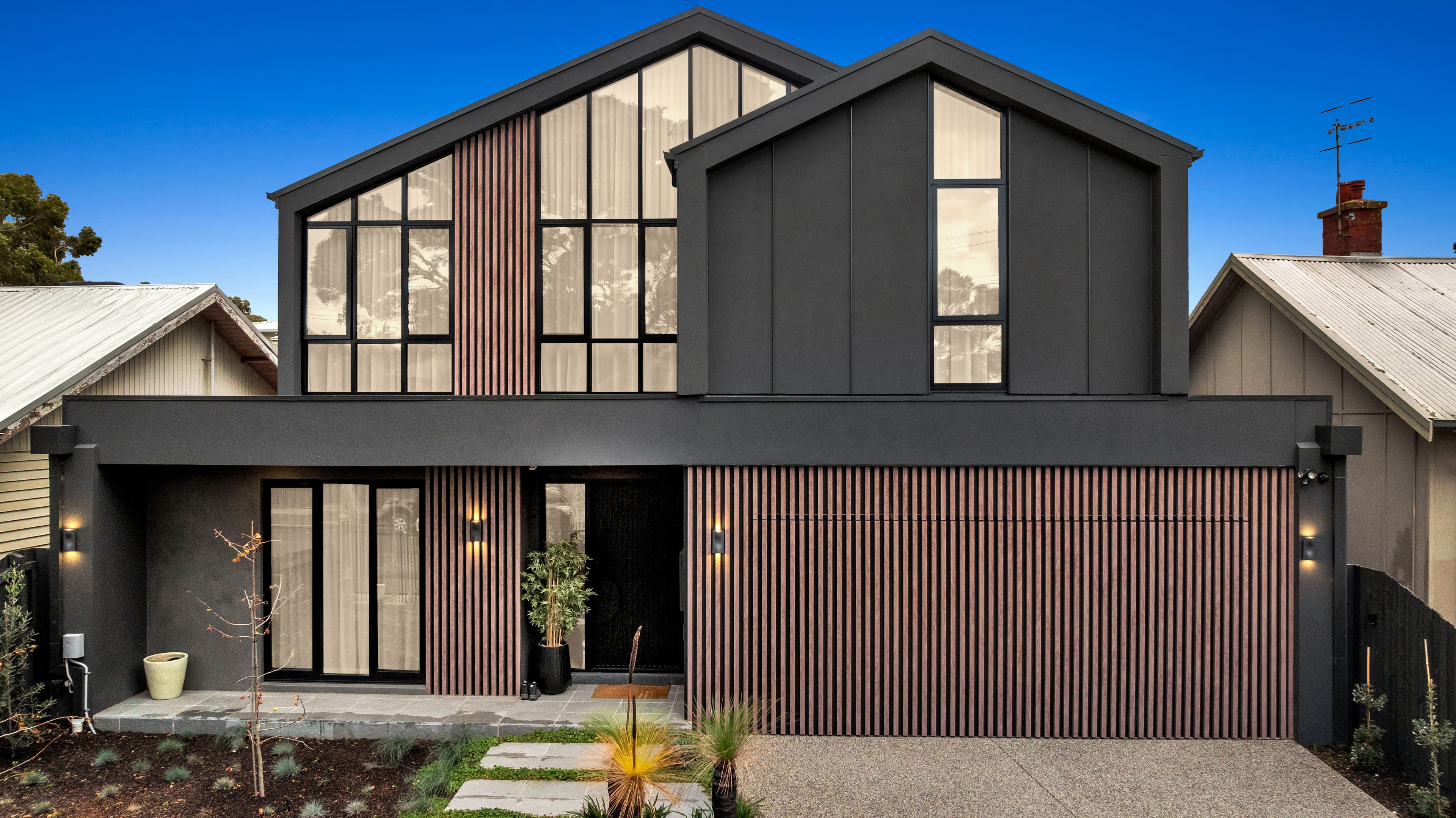
The Newcastle project in Melbourne's west is the kind of home a renovation could never have produced. The existing dwelling on the site wouldn't have given you any of what Newcastle is now.
It sits on a 12.4-metre-wide block, 23.24 metres deep. Two storeys, 48.57 squares in total. Four bedrooms, three and a half bathrooms, a double garage. On paper, those dimensions sound standard for an inner-Melbourne rebuild. On the block, they become something more deliberate.
The façade tells you immediately that this isn't a volume builder's project. Charred timber and black panelling sit alongside exposed structural elements and sharp architectural lines. There's a controlled contrast at play, where strength and restraint work together rather than against each other. The industrial inspiration is obvious, but it's been refined rather than lifted wholesale.
Inside, the language holds. Timber flooring runs through the front of the home and then transitions into polished concrete once you reach the open-plan kitchen, living and dining zone. That material change signals a shift without needing a door. Full-height glazing runs along the rear, pulling the living space out to a sculptural courtyard and blurring where inside ends and outside begins. The natural light does most of the work.
The kitchen is designed as a statement in itself. Unpolished stone sits against minimalist geometric detailing. The layout supports both everyday life and proper entertaining, without one compromising the other. Every fixed element has been considered. The staircase is angular rather than hidden, joinery floats, ceiling planes sit at asymmetrical angles that shift the quality of light through the day. None of this is on a catalogue.
Upstairs, the master suite is framed by exposed timber trusses and softened with natural textures. A walk-through robe leads to an ensuite where raw materiality meets contemporary finishes, and neither overrides the other. Custom mirrors and handcrafted joinery appear throughout, with integrated lighting that reinforces the same thinking in every room.
The spatial logic is worth paying attention to. The ground floor is open and social. Upstairs is private and quiet. The courtyard connects outward, the bedrooms pull inward. That zoning isn't incidental. It was decided early in the design process, before a single wall went up, because the clients wanted a home that could entertain twenty people on a Saturday and feel calm again by Sunday morning.
Newcastle is a 48-square industrial-inspired residence because the clients wanted exactly that, and the brief had the freedom to deliver it. Nothing existing was in the way.
What the build looks like, and what you're left with
The build journey, in broad strokes, runs through four chapters. The initial consultation, where we understand the brief and walk the block. Design development, which is the longest and most collaborative phase, because this is where the home takes shape. Permits and approvals. Demolition. Then construction. Every project runs to its own timeline, depending on site conditions, complexity, and how the design needs to be resolved before tools go on.
What clients are left with, at the other end, is a different relationship with the home. The house no longer argues with how they live. Rooms are where they should be. Light falls where it's wanted. The kitchen holds a real dinner party without reshuffling furniture. The bedroom isn't compromised by the bathroom layout next to it.
And there's the longer view. A bespoke home on a block they chose, in a suburb they already love, built to current standards, designed for the next few decades of family life. That's harder to value on a spreadsheet than stamp duty saved or renovation overruns avoided, but it's usually the part clients talk about years later.
Thinking about your own knockdown rebuild?
If you're in the early stages of weighing up a knockdown rebuild, the most useful thing we can offer is a conversation. A walk through what your block could accommodate. An honest read on whether the sums stack up for your situation versus renovating or moving. Sometimes looking at floor plans from completed projects that match the kind of home you're imagining, including Newcastle.
The first consultation is complimentary. If you'd rather keep looking before you talk to anyone, our collections page shows the full range of knockdown rebuilds we've completed across Melbourne. Most clients come back to talk after spending some time there.
Setting Standards. Earning Recognition. Elevating Lives.
Our clients don’t settle for ordinary - they seek the exceptional. They come to Elements with bold ideas and big ambitions, ready to create a home that reflects their success.
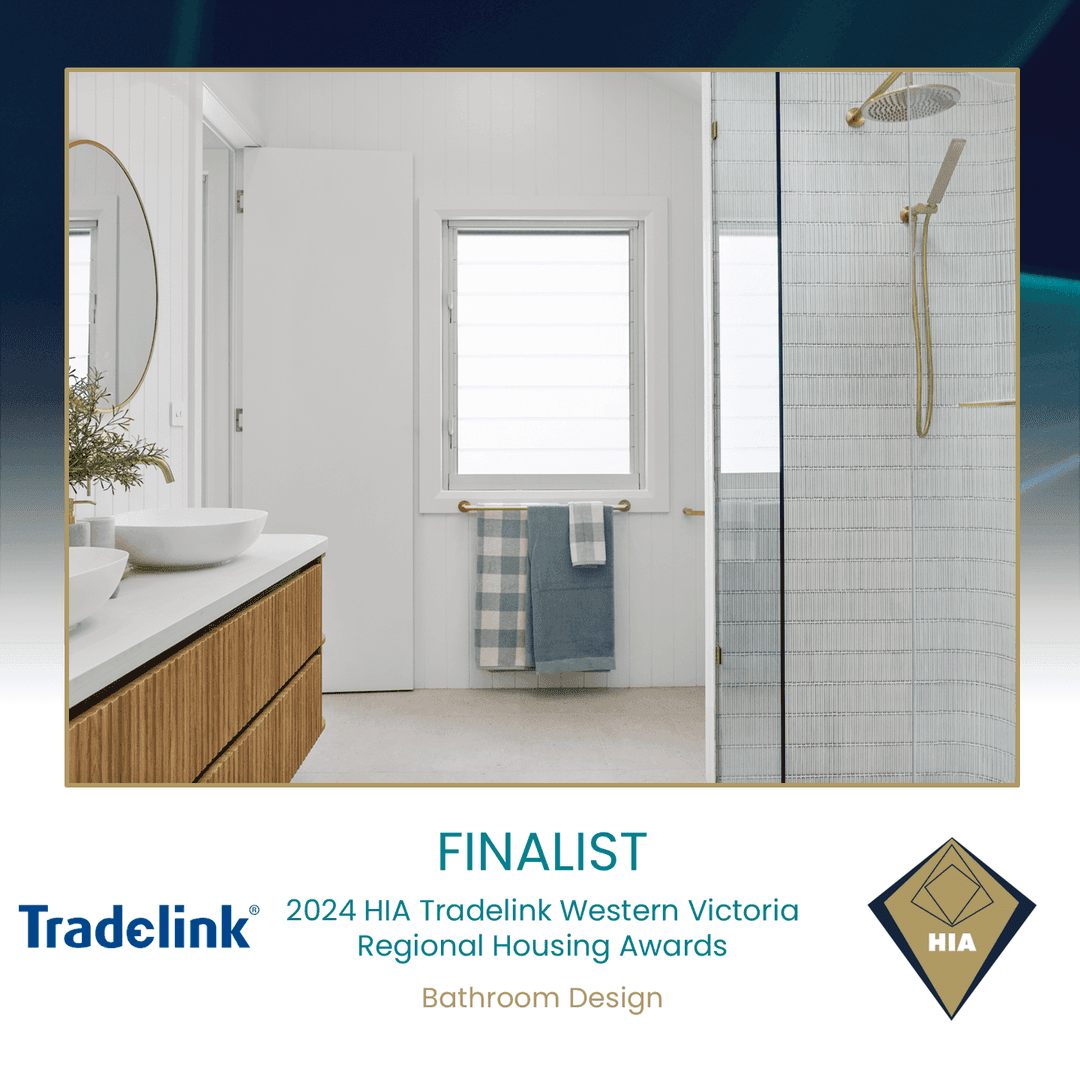
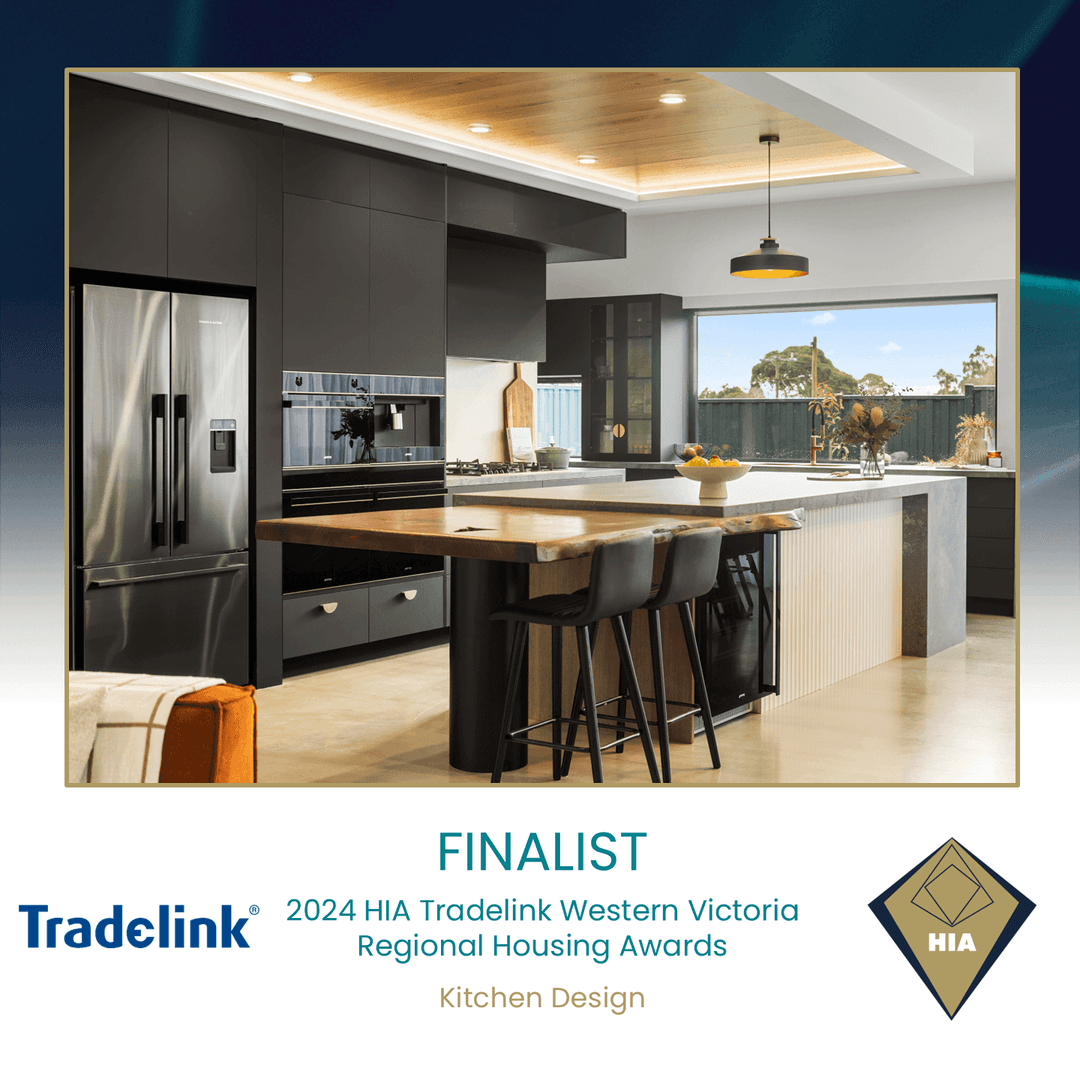
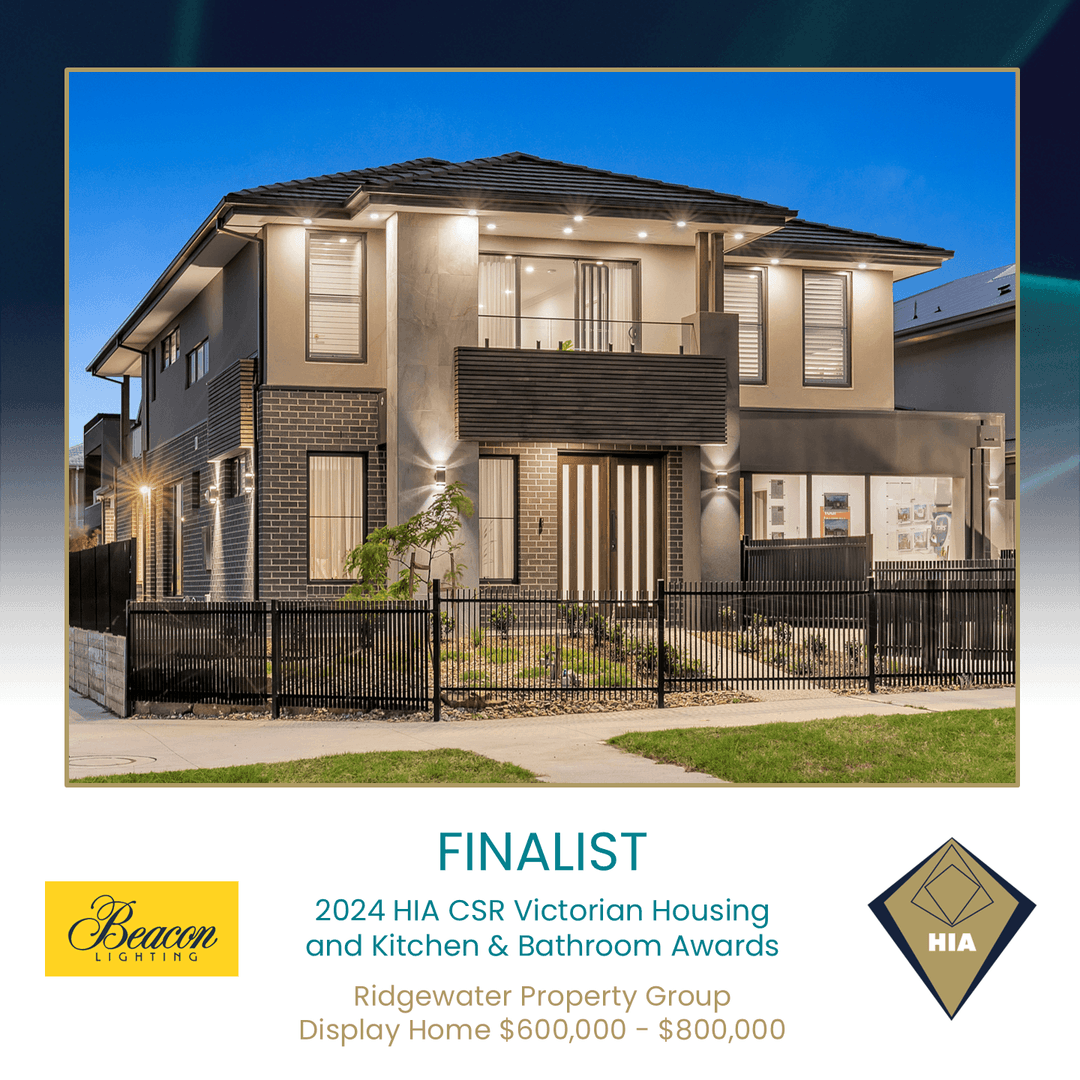
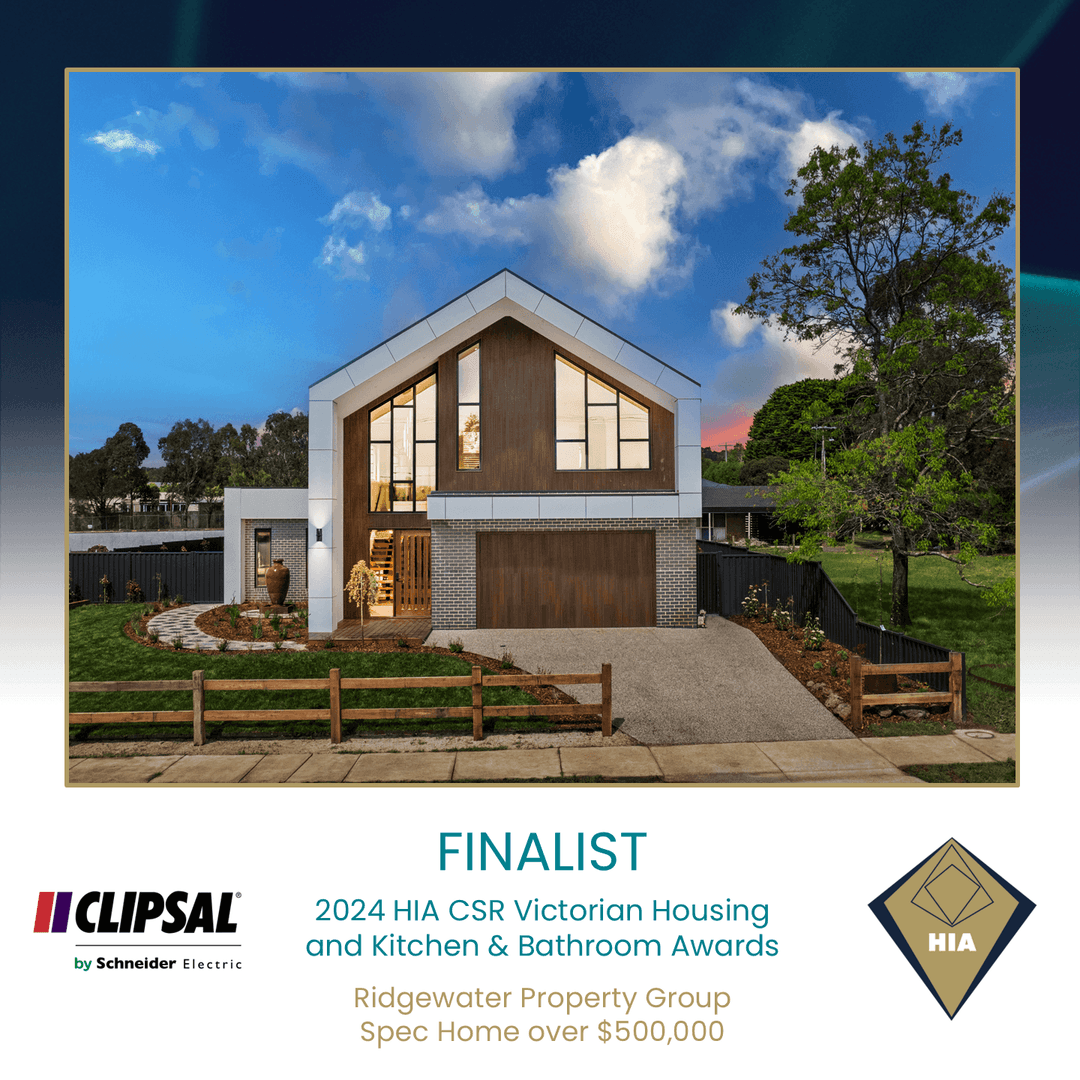
With award-winning projects recognised for innovation and craftsmanship, we deliver homes that are as refined as they are personal. Every detail is tailored. Every moment, considered.
Because for our clients, this isn’t just a home - it’s a statement. And we’re here to make it unforgettable.
Let’s make something beautiful - together.
Our clients come to us for more than a beautiful home - they come for a tailored experience. One that is refined, timeless, and deeply personal. We craft spaces that reflect who they are and the life they aspire to live - effortless, elegant, and entirely their own.
Get your complete guide to building with Elements
Download ExploreCollections