12 March 2026
Share:
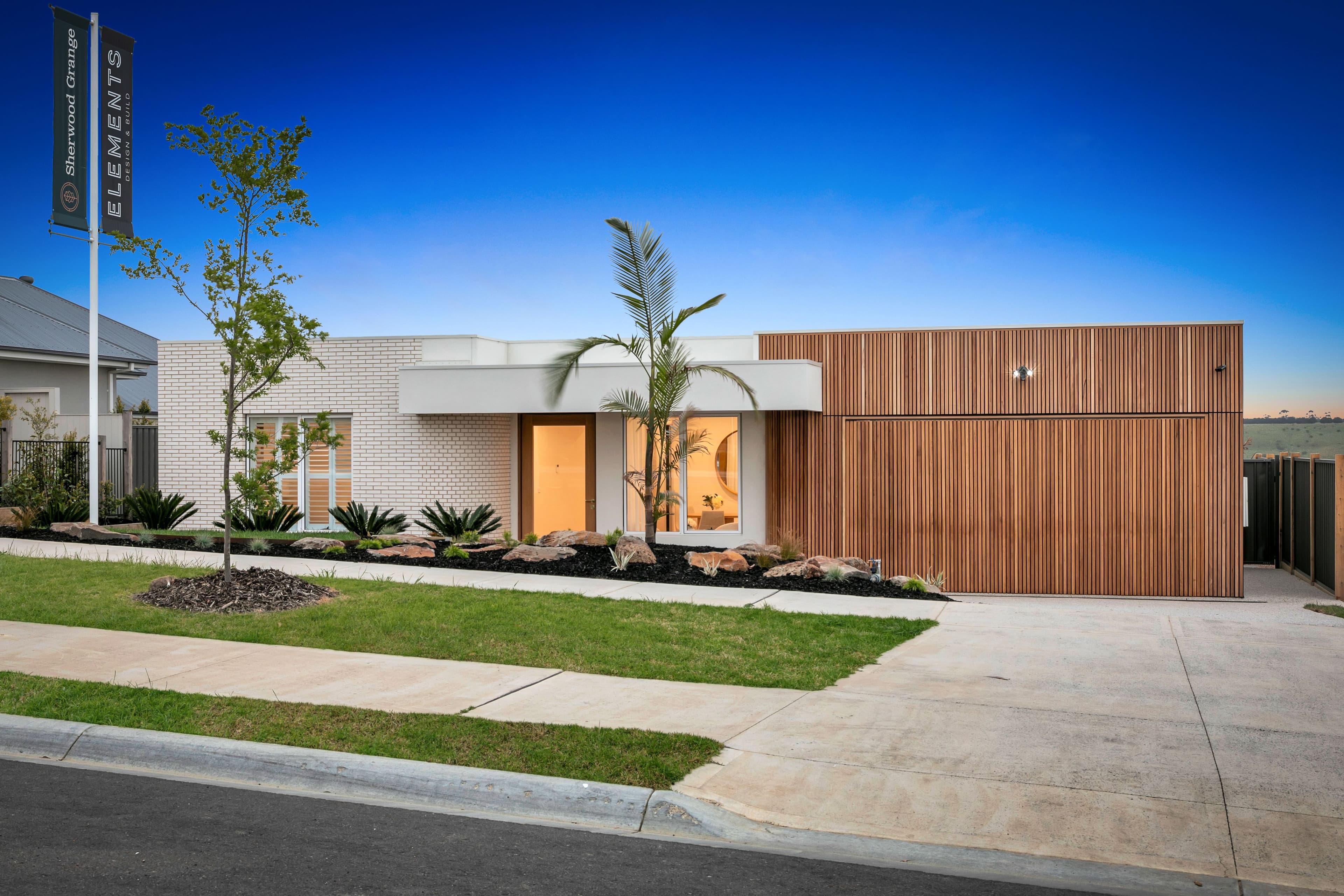
If you’ve got a sloping block in Melbourne, this question tends to come up fast.
A good split level home design responds to the site so the home sits naturally and the levels feel deliberate. That’s when a slope stops being a constraint and becomes part of the architecture.
And it’s exactly the kind of work Elements is known for. Split level homes are a speciality, because when they’re handled properly, they don’t feel “stepped”. They feel composed.
Most cost conversations live right there, in the relationship between the home and the land.
The short answer (with the right context)
Yes, split level homes are often more expensive than building the same size home on a flat block.
But it’s not a fixed rule.
Sometimes the additional cost is the site, not the split levels. In other cases, a split level approach prevents higher costs later, because it can reduce heavy excavation, large retaining walls, or complex suspended flooring.
A better question is:
More expensive than what?
A flat slab on a flat site? Typically, yes.
A major cut-and-fill solution on a steep block? Not necessarily.
Split level home design: what it actually means
A split level home usually steps up or down in half-levels, following the fall of the land. It’s a series of connected platforms rather than a simple “upstairs/downstairs” divide.
Split levels also change the experience of moving through the home. Instead of one big jump from downstairs to upstairs, you get smaller shifts that can separate spaces without shutting them off. Living can sit slightly above the entry. Bedrooms can tuck away half a level up, quieter by default. It’s subtle, but it’s one of the reasons split level homes can feel more tailored and more architectural, especially when the design is responding to the land rather than trying to flatten it.
That matters because it changes how the home is structured and how it meets the ground. On sloping sites across Melbourne, split level home designs can be a very practical choice. Done well, they feel calm and resolved, with natural zoning and a strong sense of place.
Where the extra cost usually sits
The “split level premium” is rarely one line item. It’s usually a set of cost drivers that add up.
1) Siteworks and earthworks
Sloping sites often involve excavation, retaining, and careful drainage planning, plus more detailed set-out for stepped levels.
If you’re building in areas with reactive clay, tricky drainage, or variable fill, the site can shape engineering decisions early. That’s normal, and it’s why early investigations matter.
2) Structure and engineering
Split levels can add complexity in the slab and frame, along with bracing, load paths, and waterproofing details around retaining conditions.
It’s detailed work, and it needs to be accurate. High-end builds rely on precision, including the parts you won’t notice once the home is complete.
3) Access and logistics
Sloping blocks can slow access and materials handling, extending build time.
4) Stairs (and what they influence)
Stairs affect circulation, sightlines, and sometimes the structural layout. They also shape how the home feels day to day.
A refined split level home design makes those transitions feel natural and almost unnoticeable. A rushed one can feel like constant up and down to do basic things. That’s not only a cost issue. It’s a liveability issue, and it matters in a luxury home.
Where split level homes can save money
On a sloping block, the most expensive approach is often forcing a flat solution onto land that doesn’t suit it. Large cuts. Excess fill. Heavy retaining. It adds up quickly.
A split level home design can reduce:
- Excessive excavation
- Oversized retaining walls
- High-risk drainage fixes
- Extreme fill that needs extra compaction and testing
It can also help the home sit more naturally in the landscape, supporting better street presence and privacy, depending on the site.
Melbourne-specific factors that affect price
A split level home builder in Melbourne needs to think beyond the floorplan. A few local realities can influence cost:
Soil and footing requirements
Some areas push you toward deeper piers or more robust slab engineering.
Stormwater and fall
On a slope, water wants to move. The design needs to anticipate that early.
Planning constraints and neighbour impacts
Overlooking, height limits, setbacks, and how the home sits relative to adjoining properties can affect the arrangement of split levels.
Overlays (in some locations)
Bushfire or environmental overlays can influence materials and construction details.
This is why “more expensive” is rarely a clean percentage. Two split level home designs can look similar on paper and cost very differently once the site conditions are properly understood.
This is also where experience counts. At Elements, split level homes are a core part of what we do, and the goal is always the same: resolve site conditions early, design with clarity, and deliver a home that feels composed, not compromised by the block.
Controlling cost without compromising the architecture
If you’re building a high-end, architectural home, you still want to keep the budget under control. Not to dilute the design, but to make sure investment is directed to the areas that shape the lived experience and long-term quality.
With split level construction, early design decisions often carry real cost consequences, so disciplined planning at concept stage protects the brief as the project moves into documentation and build.
A few moves that often help:
- Let the levels do the work. Use the fall of the land to create zoning and presence.
- Be intentional with spans. Openness is great, but engineered spans can add cost quickly.
- Keep the footprint efficient. Bigger footprints on sloping sites multiply excavation and retaining.
- Plan services early. Drainage and plumbing routes matter more once levels step.
- Prioritise comfort and light. Orientation and glazing choices lift performance and liveability.
Sometimes the most effective cost decision is not reduction, but refinement. Simplifying a single element can free up budget for the details that actually define a luxury home. Materials, joinery, acoustics, and the overall composure of the spaces. That’s where value is felt, not just measured.
Choosing a split level builder for a luxury home
If you’re searching “split level home builders Melbourne”, a useful filter is simple: ask how they approach the site.
A strong split level home builder should be able to explain what’s driving cost on your block, where the risks sit, and which design choices materially affect budget.
At Elements, that site-led thinking is central to how we approach split-level design. The aim is not to “make the slope disappear”, but to shape a home that feels composed, timeless, and easy to live in.
Are split level homes more expensive to build?
Often, yes.
But the more accurate truth is this: the slope is what changes the cost. Split levels are one of the most effective ways to respond to that slope with intent, while still delivering a home that feels effortless to live in.
If you’re weighing up options, a site-based conversation is the right next step. Not a sales pitch. A clear, informed look at what the land is asking for, and what kind of split level home design will suit it best, both aesthetically and financially.
And if your block is anything but straightforward, this is where a specialist matters. Elements designs and builds split level homes with a focus on architectural clarity, material refinement, and calm, considered spaces that sit naturally in the landscape.
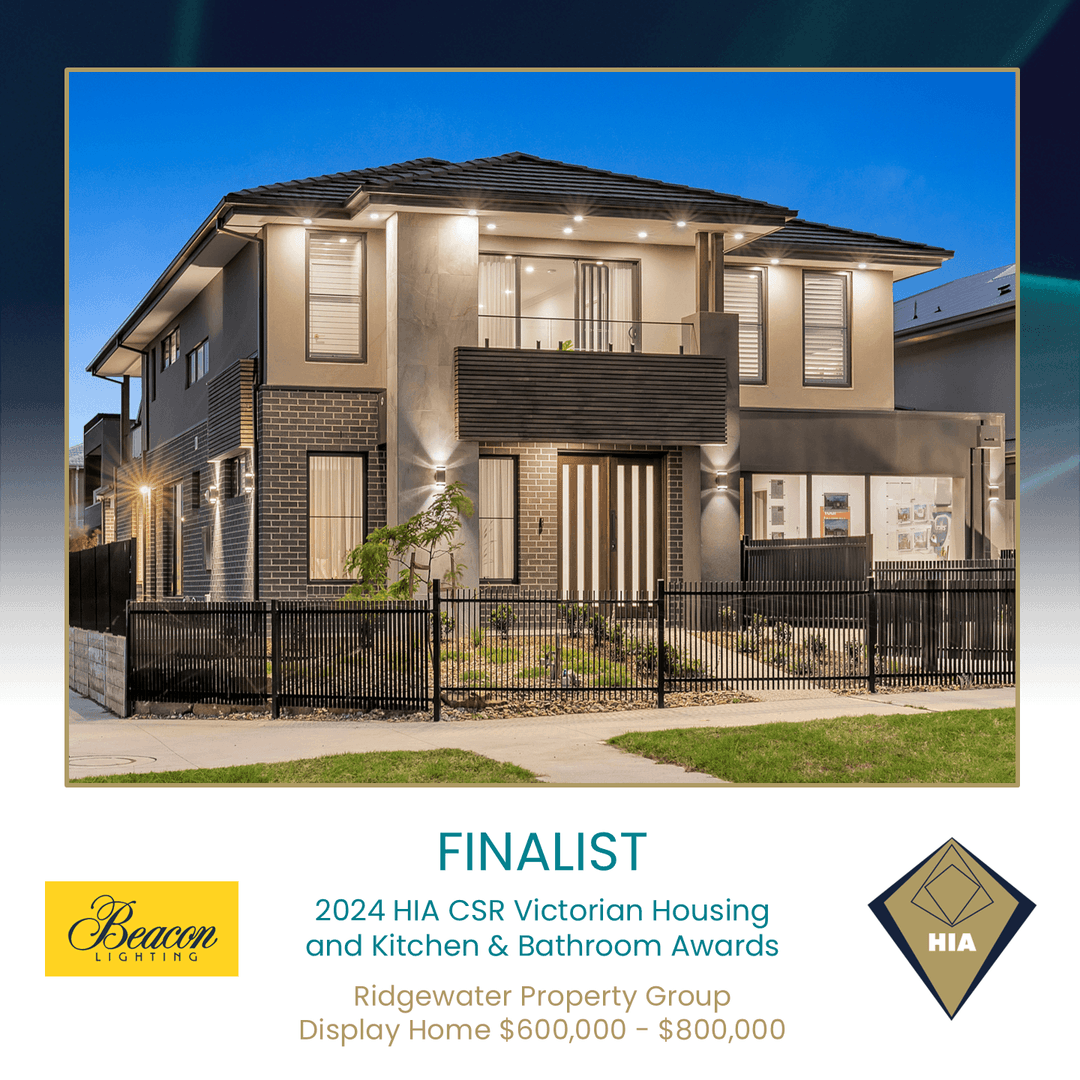
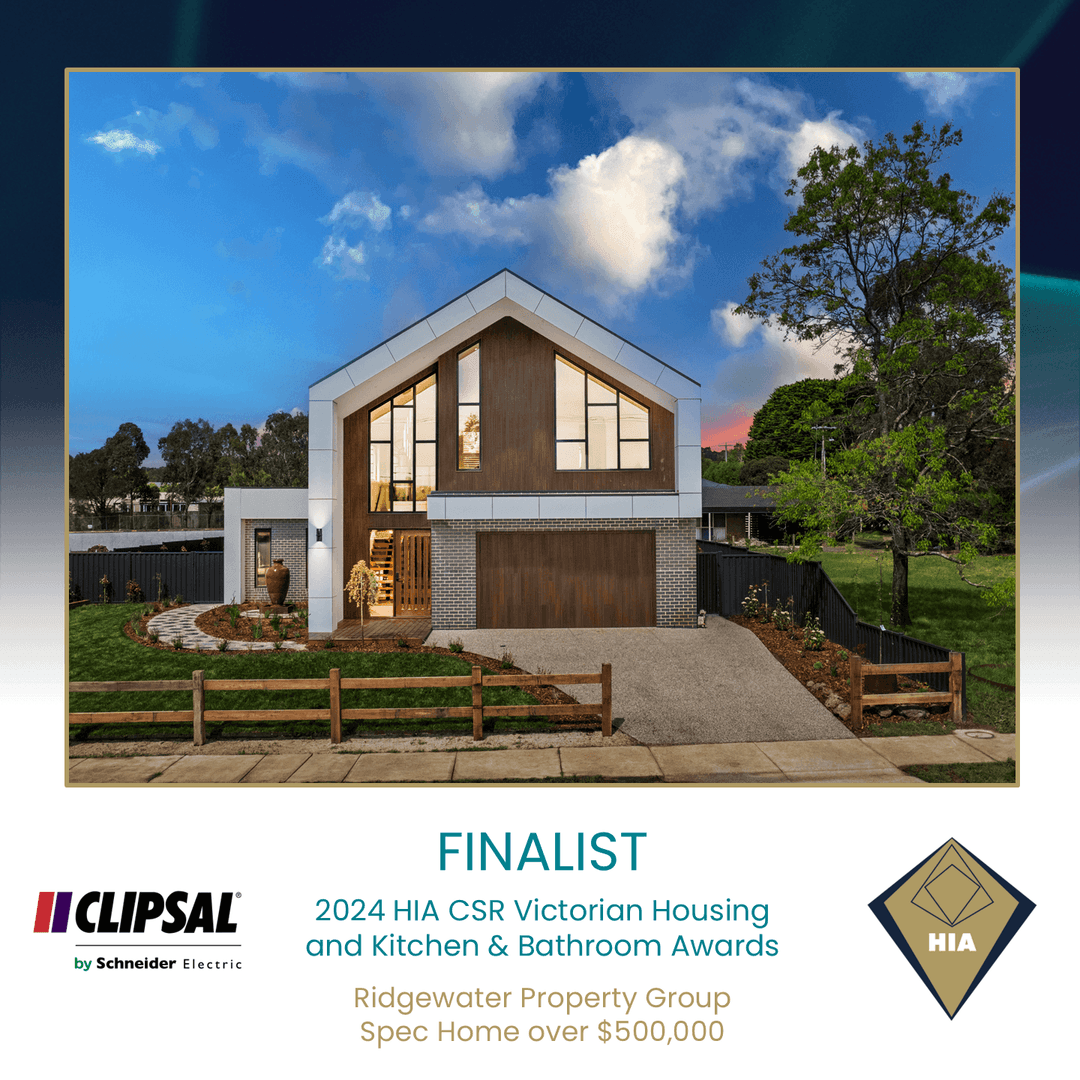
Setting Standards. Earning Recognition. Elevating Lives.
Our clients don’t settle for ordinary - they seek the exceptional. They come to Elements with bold ideas and big ambitions, ready to create a home that reflects their success.
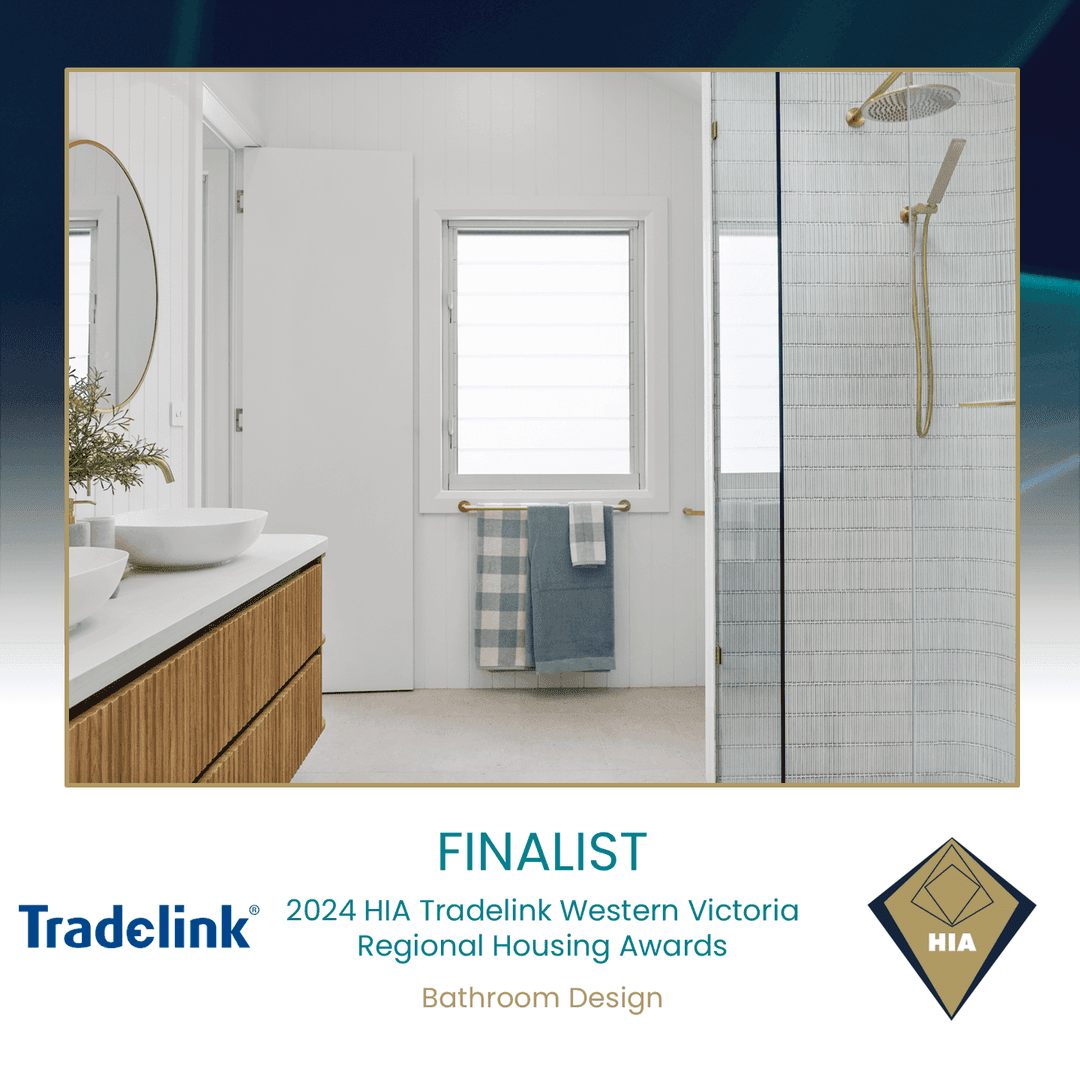
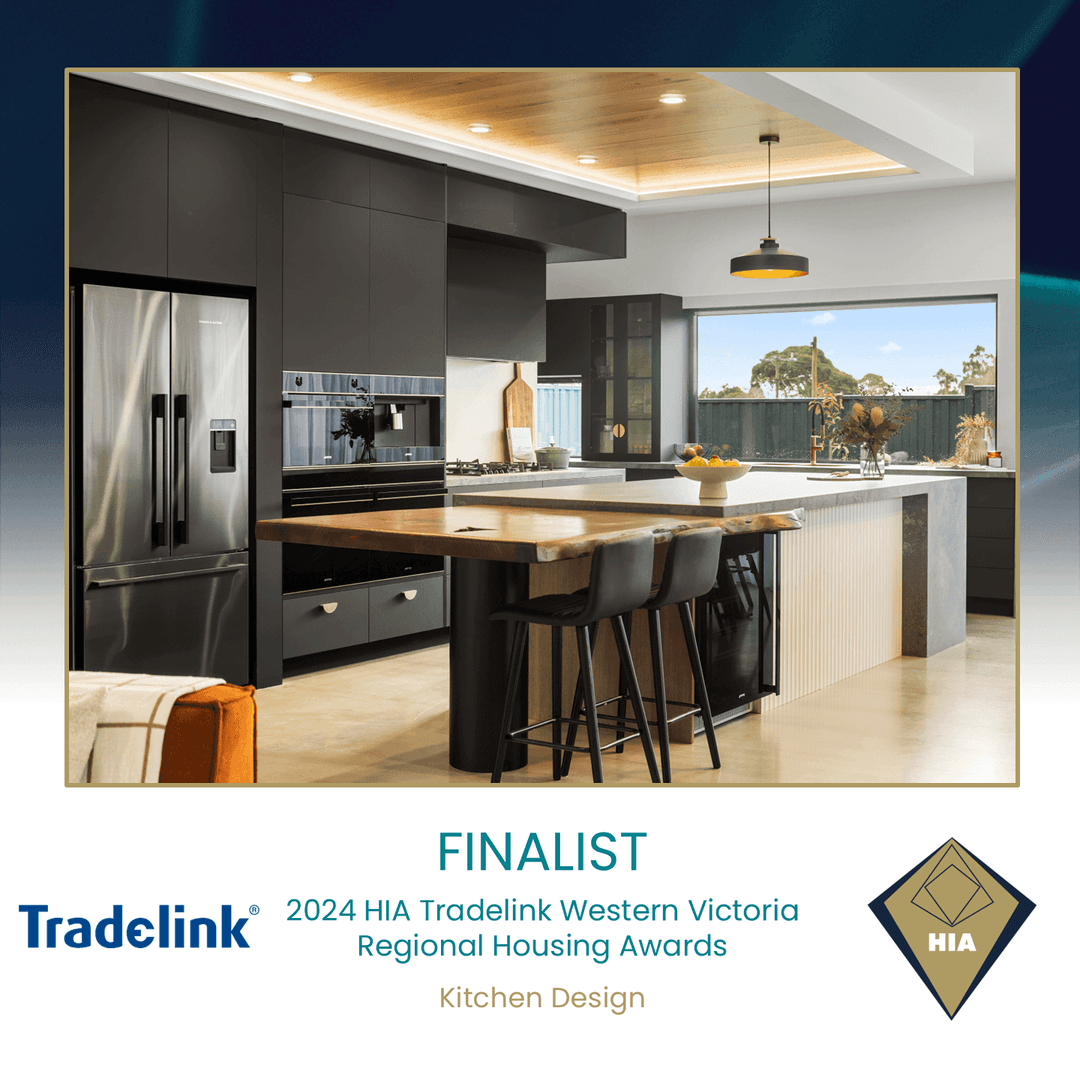
With award-winning projects recognised for innovation and craftsmanship, we deliver homes that are as refined as they are personal. Every detail is tailored. Every moment, considered.
Because for our clients, this isn’t just a home - it’s a statement. And we’re here to make it unforgettable.
Let’s make something beautiful - together.
Our clients come to us for more than a beautiful home - they come for a tailored experience. One that is refined, timeless, and deeply personal. We craft spaces that reflect who they are and the life they aspire to live - effortless, elegant, and entirely their own.
Get your complete guide to building with Elements
Download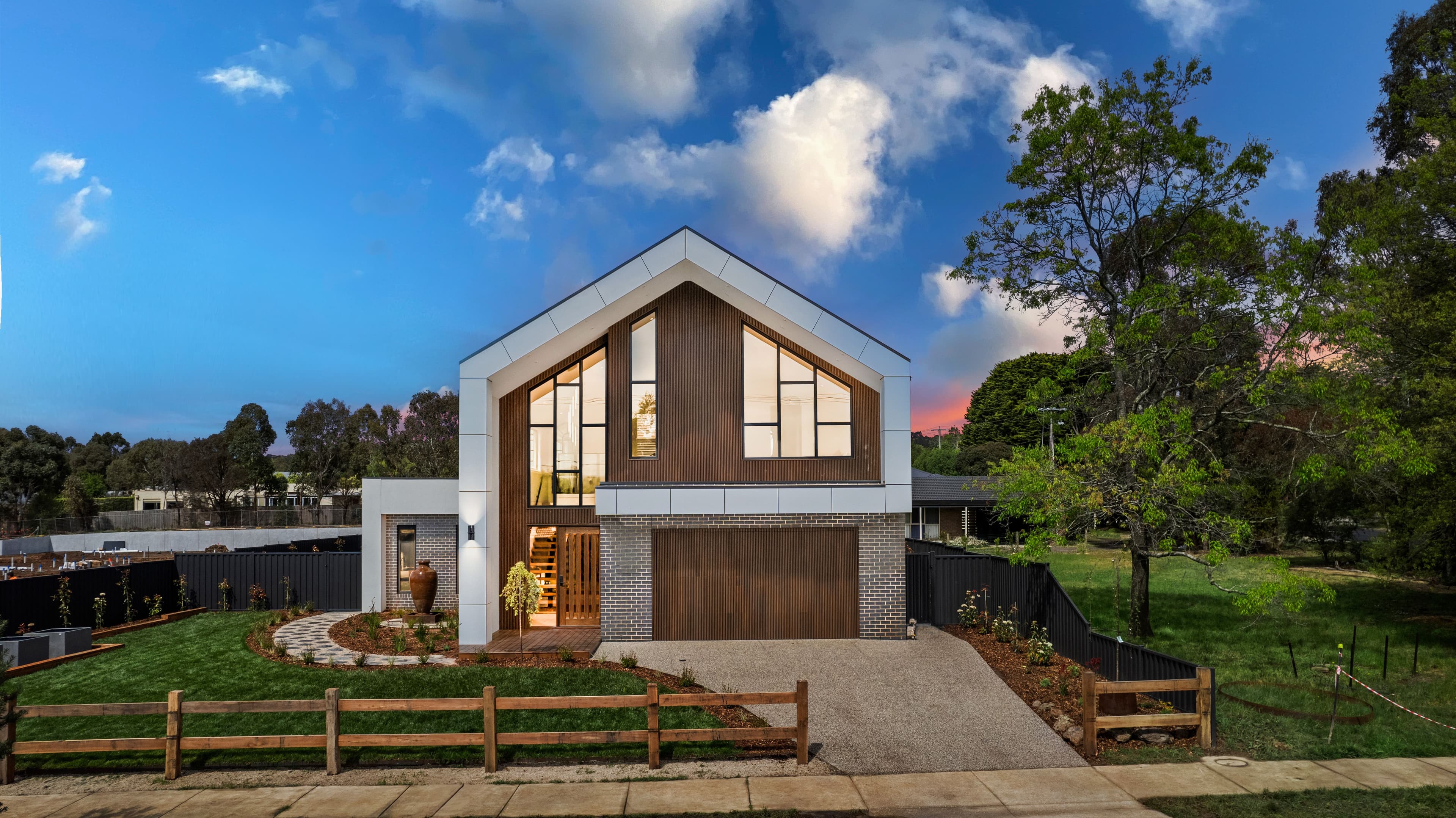 ExploreCollections