11 May 2026
Share:
The slope isn’t the problem.
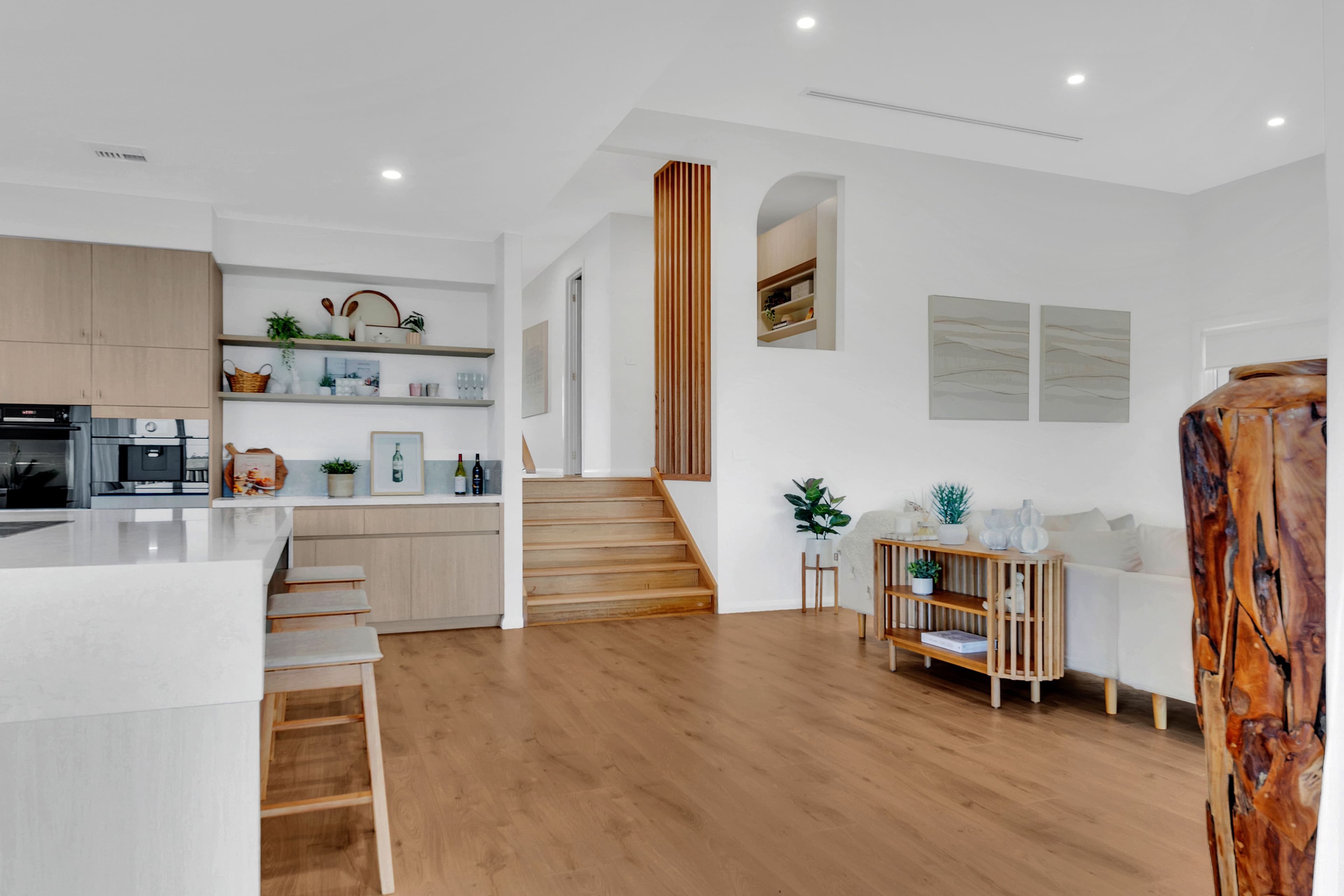
At Elements, we look at a cross-fall or a tricky contour as the thing that gives the finished home its character. A flat site gives you a rectangle to work with. A sloped one opens up elevation and sightlines that no rectangle can. Elizabeth Drive, our Sunbury display home, is what that looks like when you commit to the approach. Four bedrooms, two bathrooms, and a living zone that sits up in the light above Jacksons Creek, because the block made it possible.
Designing with the land, not against it
Split-level design starts with the block. Before a single line goes on paper, we walk the site, note where the fall runs, watch where the sun lands through the seasons, and think about what the land is already offering. The home is then drawn to fit that reality, not the other way around.
The alternative is the one most people picture. Bring in excavators, take the top off the slope, build up retaining walls, pour a slab, and put a standard house on top. You end up with a flat pad and a significantly bigger bill, and the block has been stripped of everything that made it interesting in the first place.
Our split-level work is specifically built for sloping, narrow, and complex sites. We work the contours rather than fighting them, which usually means less excavation, less retaining, and a house that feels like it grew out of the land rather than being dropped onto it. The planning takes longer at the front end. Living zones get sited where the light and the view want them. Private spaces can sit on a different level entirely, giving you zoning built into the architecture rather than imposed by internal walls. The result is a home you can’t produce any other way.
Inside Elizabeth Drive
Elizabeth Drive sits on the edge of Jacksons Creek in Sunbury, and the design takes its cue from the site from the first moment. Rather than carving a platform out of the slope, we let the home step down with the land, so each level earns its position from what it looks out on.
The result is a 34.21 square home that lives larger than its footprint suggests. Four bedrooms, two bathrooms, two car spaces, spread across a 24.38 metre deep, 15.73 metre wide plan. What the numbers don’t tell you is how the levels fall against each other. The living zone sits up where the light and the view are best, and the more private spaces tuck away where they need to be.
The living area is where the block shows its hand. Soaring ceilings lift the volume up toward the treeline, and floor-to-ceiling glazing pulls Jacksons Creek inside without asking you to share it with anyone. The glazing isn’t only there for the view. It’s been positioned to do real work on the thermal performance of the home, drawing warmth in through winter and releasing heat through summer, so the house stays comfortable year-round without leaning on the heating and cooling budget.
Inside, the material palette reads as calm and grounded. Warm timber runs through the joinery and flooring. Stone picks up the weight in the kitchen and bathrooms. A soft neutral tone ties the rest of it together, so the architecture and the landscape are the things that do the talking.
The plan itself is carefully zoned. Bedrooms, rumpus, and workspaces are separated from the main living so the household can be doing three different things without anyone treading on each other. The kitchen, dining, and living flow together as one volume and open straight out to the outdoor entertaining, which sits in a direct relationship with the creek view. When you have guests, the house opens up as one continuous space. When you don’t, the zones quietly hold their own, and the home never feels bigger than it needs to.
The home reads differently in person. You enter at the street-facing level, and the first thing you register is the light. Because the living area is lifted up on the higher side of the block, you’re looking out over the tops of trees and across the creek from the moment you step inside. A standard two-storey home doesn’t do this. A standard single-level home on a flat block certainly doesn’t. It’s what the split-level approach gives you when the site allows for it.
Where the approach pays off
Elizabeth Drive shows the split-level approach at its best, but the principles travel. On the right block, the same things keep showing up.
Elevated views are the obvious one. When part of the living area sits higher than it would on a flat site, you get a sightline you couldn’t manufacture any other way. On a block like the Elizabeth Drive site, that’s the creek and the treeline. On another client’s block it might be a paddock, a ridge, or simply a longer view down the street.
Natural light follows a similar logic. A split-level gives you windows at more than one height, and those windows can face in different directions without compromising privacy. Morning light reaches parts of the home that would otherwise be dark. Afternoon sun lands where you want it, not where the front-of-house orientation happens to dictate.
Privacy falls out of the architecture rather than being engineered in with solid walls. Putting bedrooms on a different level to the main living area means the separation is physical and effortless. A teenager can be watching something loud upstairs while dinner is being prepared downstairs, and neither is imposing on the other.
There’s the sculptural question, too. A split-level home holds a street presence that a flat-roof rectangle doesn’t. The cascading levels give you form and shadow, a home that’s been composed rather than assembled from a catalogue.
Come and walk through it
Photographs can only do so much of the work. Elizabeth Drive is open to walk through on Saturdays and Sundays from 11am to 4pm at 150 Elizabeth Drive, Sunbury. If those times don’t suit, we can open it during the week by appointment.
Come and see how the living area sits in the light. Stand where the glazing frames the creek, and notice how different the kitchen and dining feels to the quieter zones set back from it. It tells you more in twenty minutes than any floor plan will tell you in an afternoon.
If you’ve got a block of your own that’s been sitting in the ‘too hard’ basket because of its slope or its shape, bring us the drawings or the address when you visit. We’ll walk you through what Elizabeth Drive taught us and where we think the opportunities on your site might be.
Setting Standards. Earning Recognition. Elevating Lives.
Our clients don’t settle for ordinary - they seek the exceptional. They come to Elements with bold ideas and big ambitions, ready to create a home that reflects their success.
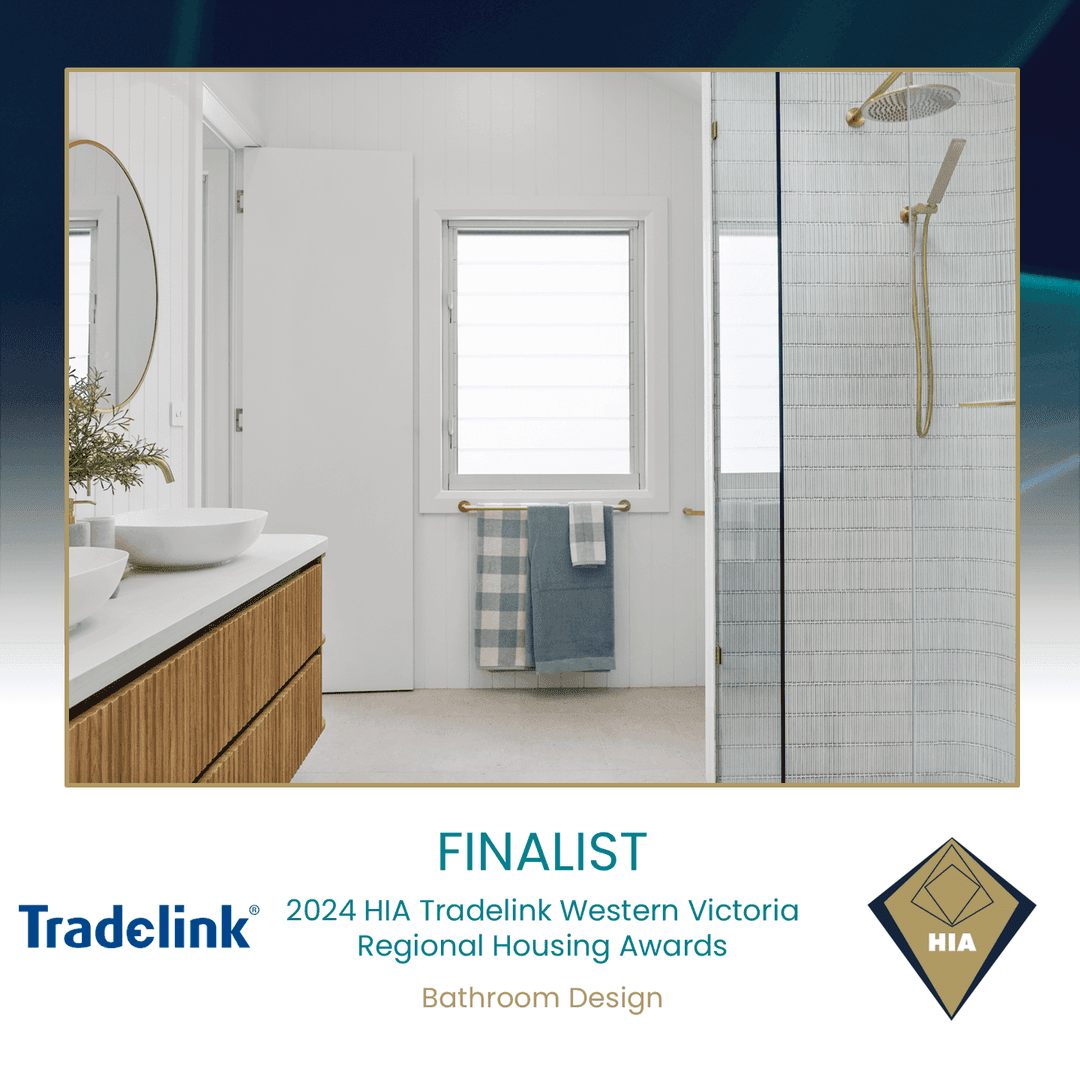
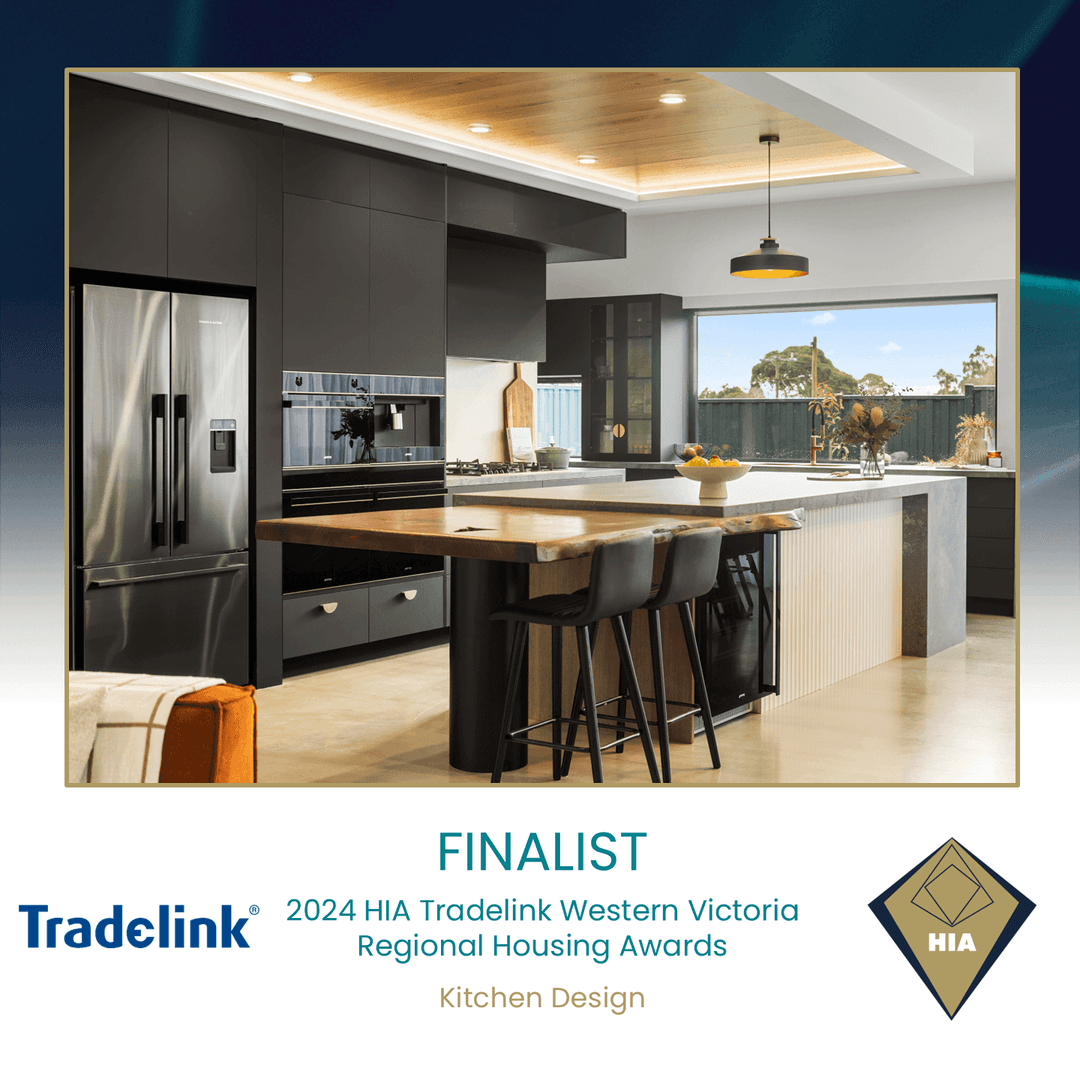
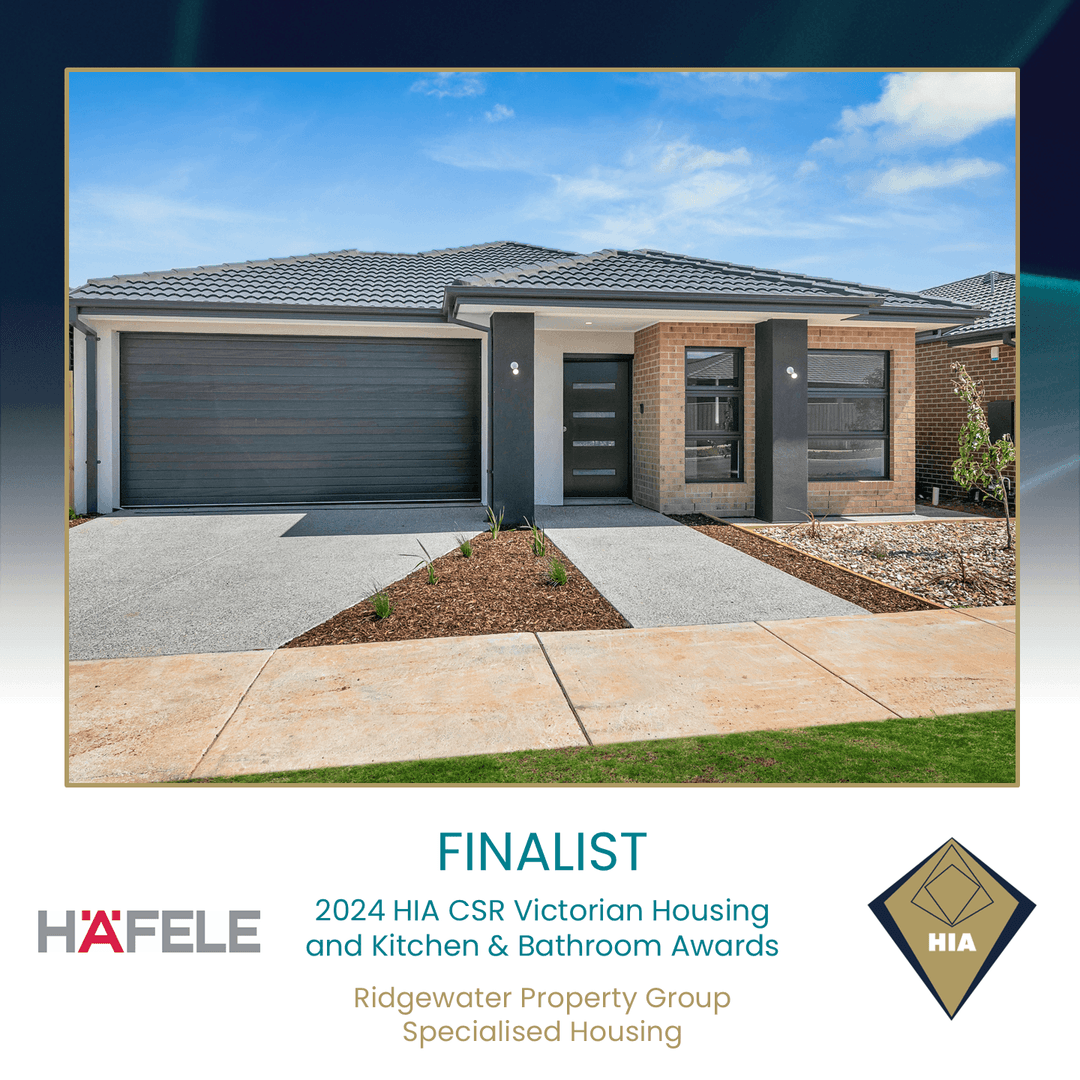
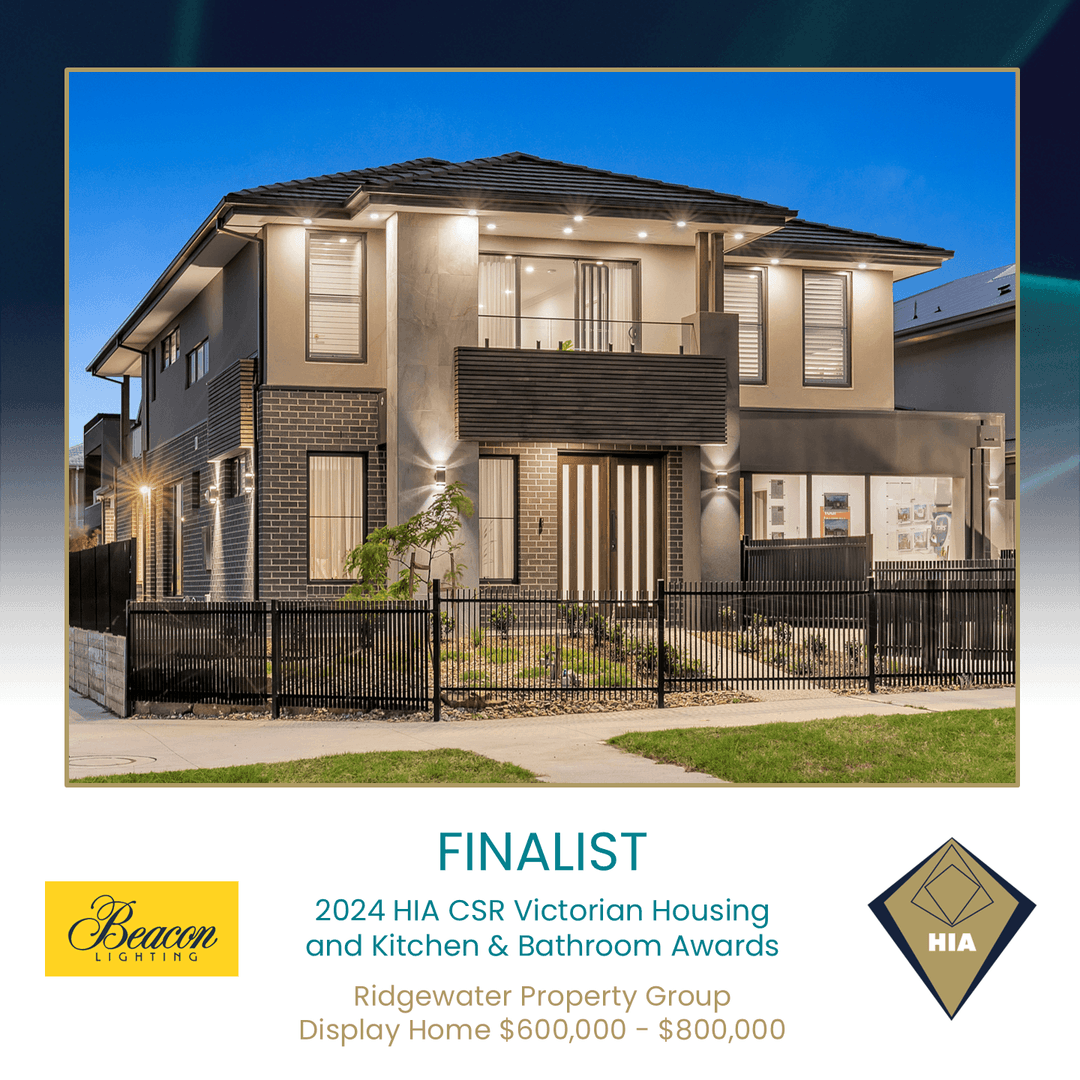
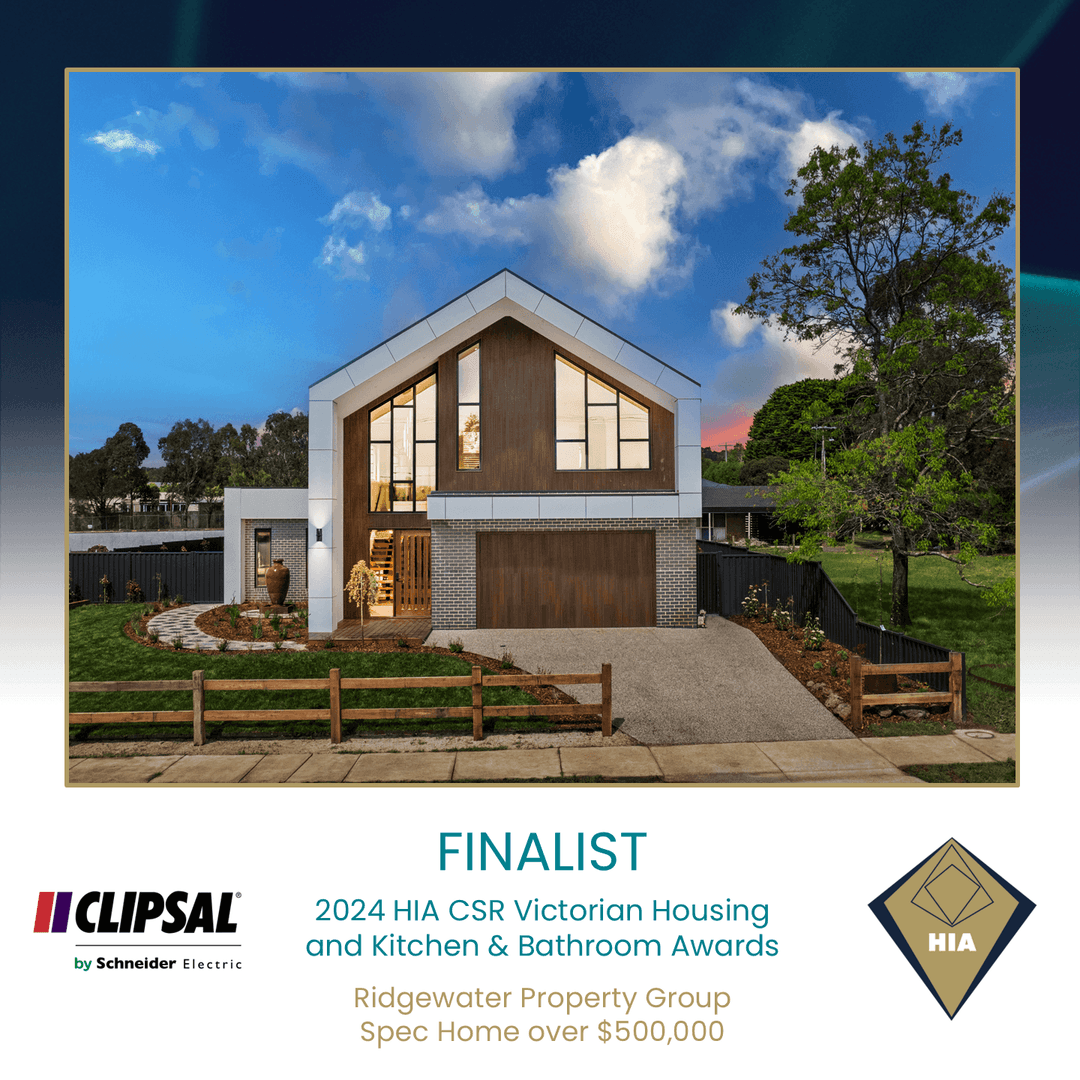
With award-winning projects recognised for innovation and craftsmanship, we deliver homes that are as refined as they are personal. Every detail is tailored. Every moment, considered.
Because for our clients, this isn’t just a home - it’s a statement. And we’re here to make it unforgettable.
Let’s make something beautiful - together.
Our clients come to us for more than a beautiful home - they come for a tailored experience. One that is refined, timeless, and deeply personal. We craft spaces that reflect who they are and the life they aspire to live - effortless, elegant, and entirely their own.
Get your complete guide to building with Elements
Download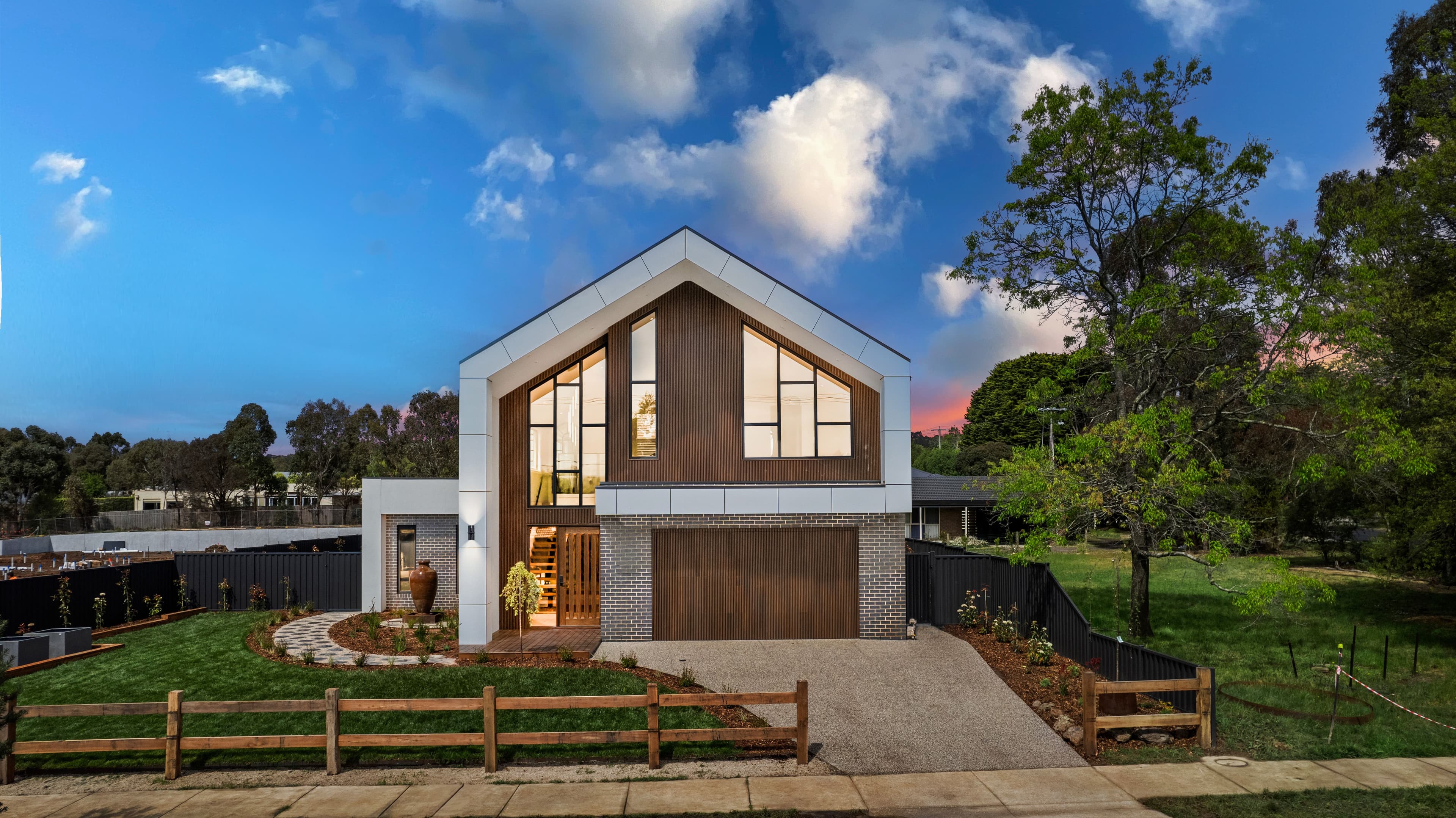 ExploreCollections